Embark on an Adventure on the St. John River
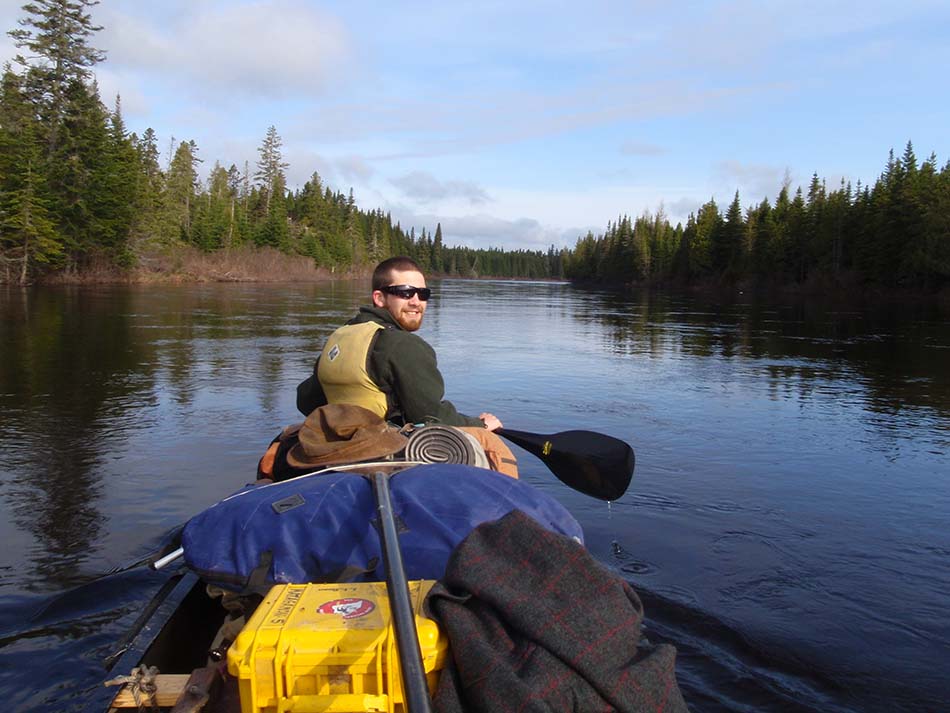
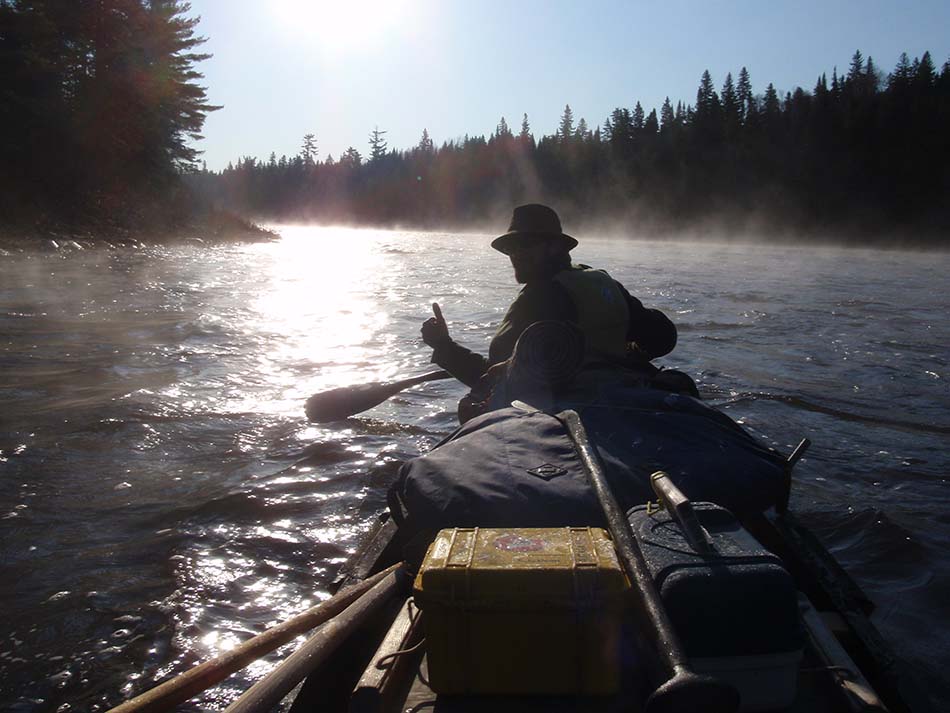
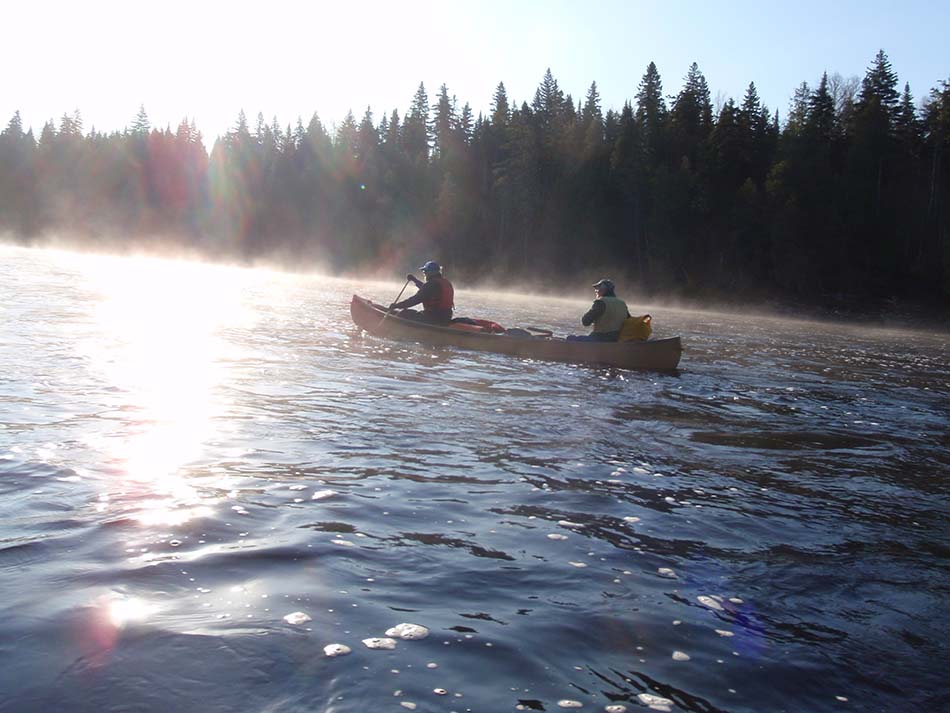
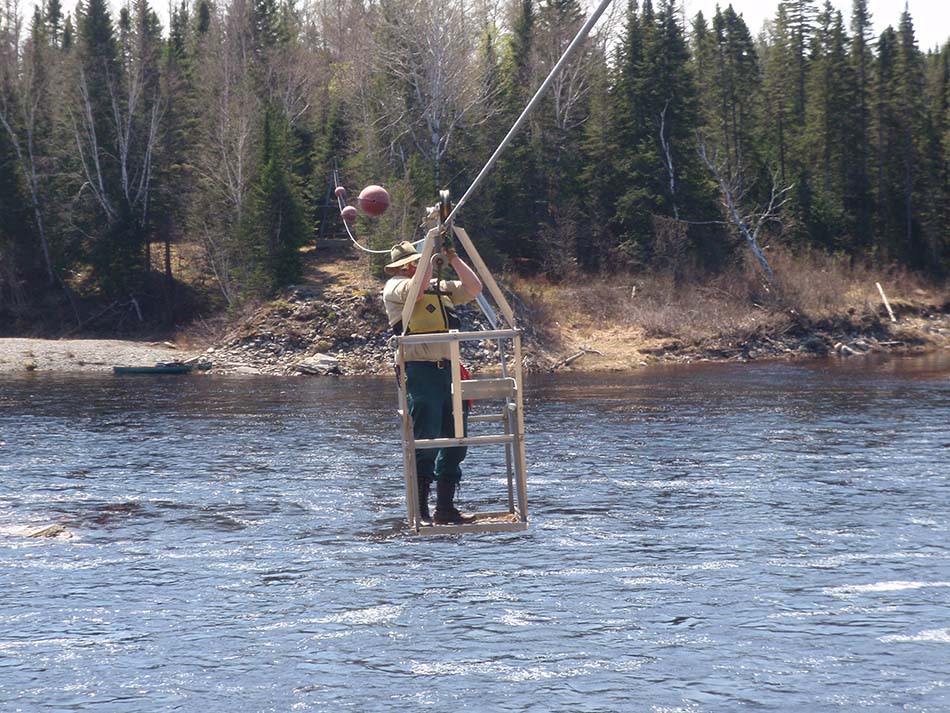
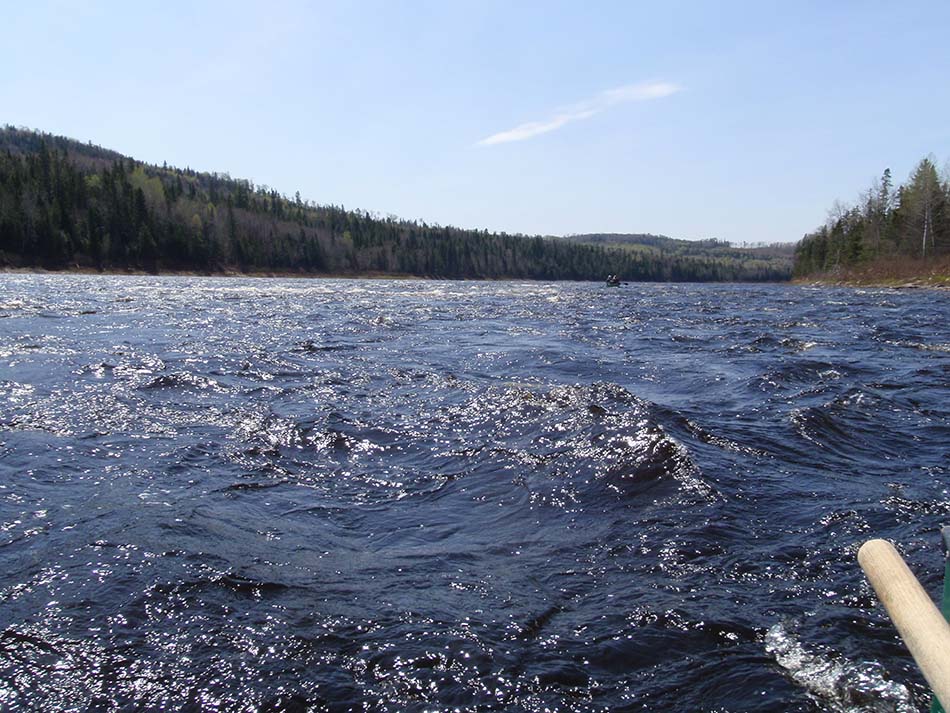
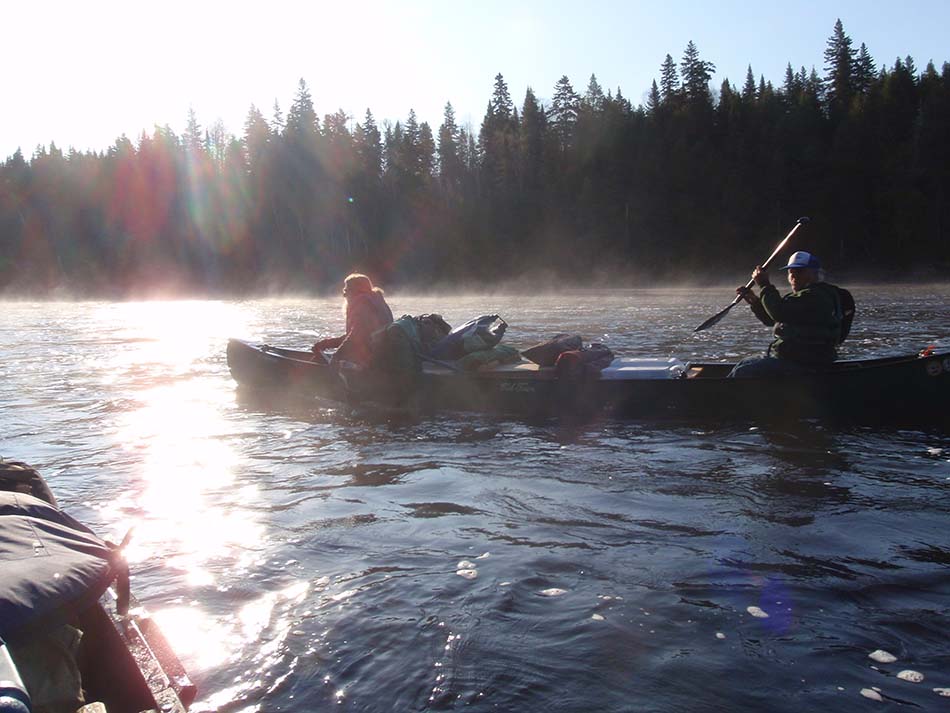
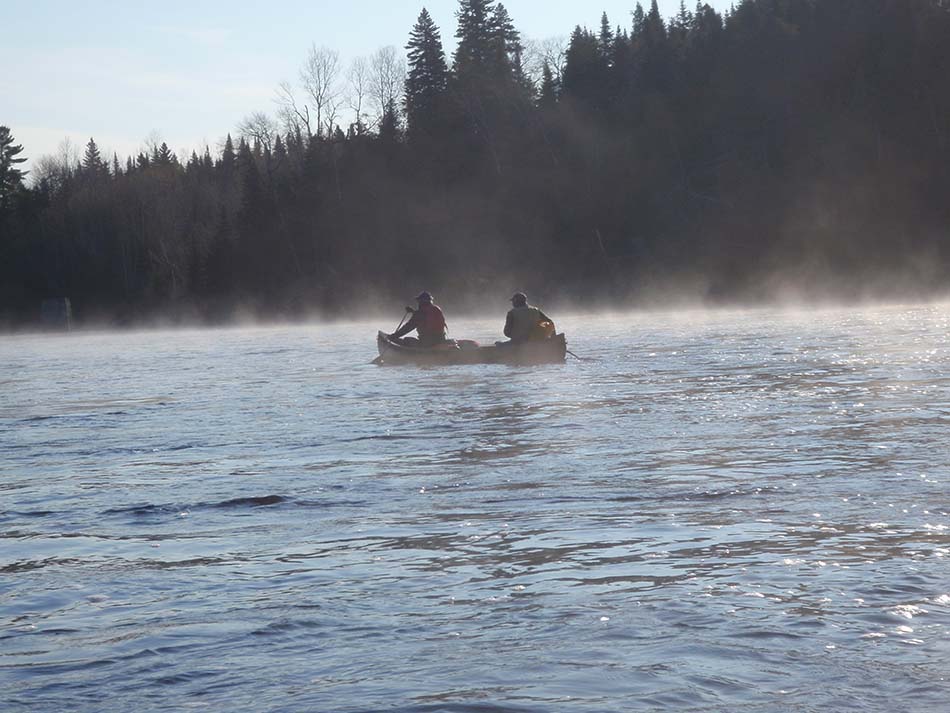
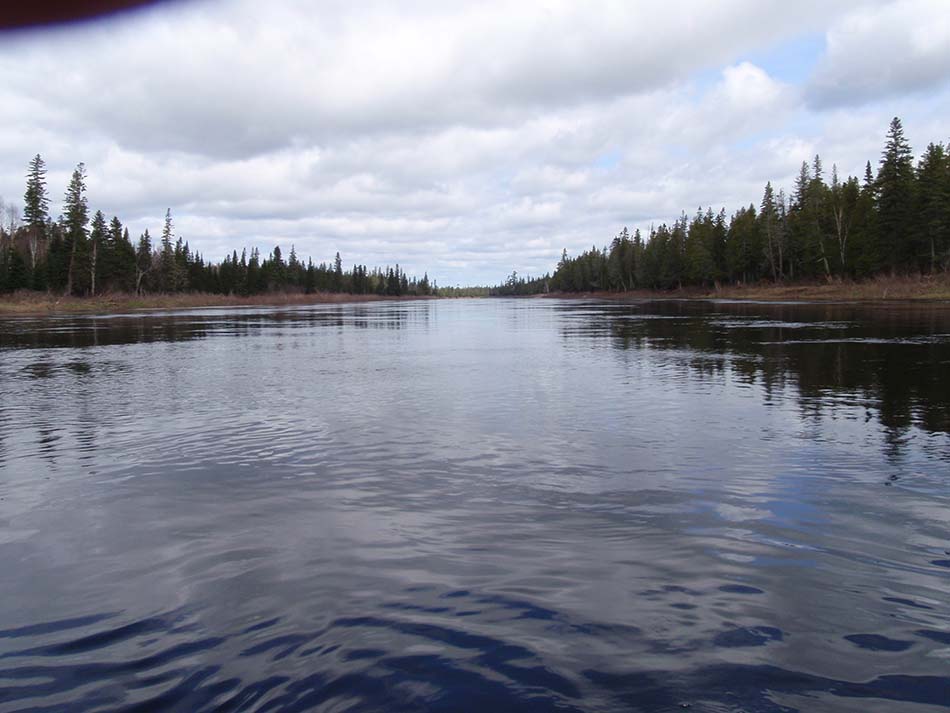
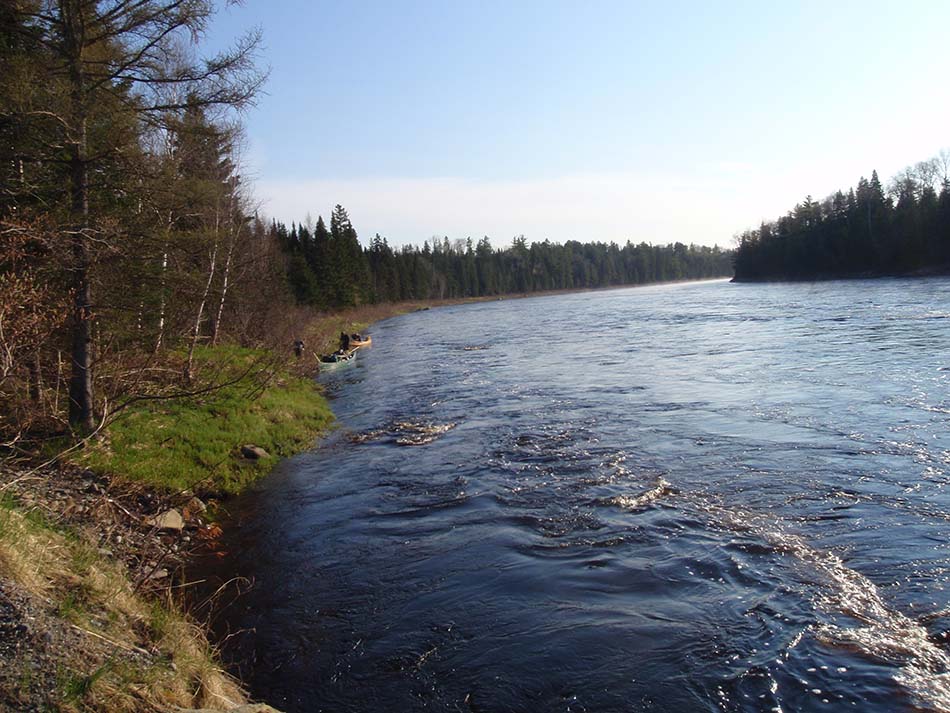
The world-class St. John River canoe trip receives many accolades for its grandeur and sheer beauty but it is yet best described as stunning, remote, and rugged. Traversing through over 100 miles of Maine’s dense and vast boreal forest, the St. John River serves as a vital environmental resource for the region it supports.
Canoe trips on the St. John River with Smoking Rivers are organized each May and are best suited for those with a familiarity of a canoe and some backcountry experience. A positive and adventurous attitude is helpful as weather in the North Maine Woods in May can vary greatly; one day, temperatures can be in the 80s and sun-filled, while the next may be cloud covered with the threat of rain or even snow. Due to its mileage and whitewater, 8-days are required to navigate the entirety of the St. John River, from Baker Lake to Dickey, Maine, while allowing time to visit its many historical locations and enjoy a leisurely pace.
Located in one of the most remote stretches of Maine, the St. John River is one of only two free flowing rivers in the State of Maine. Therefore, the river can be paddled for only around three weeks in May, soon after the mighty Maine winter has released its icy grip on the North Maine Woods. This limited window makes you feel as if your adventure down the St. John river is heralding the arrival of spring.
Paddlers on the St. John River canoe trip with Smoking Rivers are treated to the opportunity to learn about the vast history of the region the river supports. Historical highlights include attractions such as Nine-Mile Bridge with its abandoned and forgotten steam shovel. Also landmarks such as the beautiful Seven Islands ghost town, that at its peak supported and was home to hundreds of lumberjacks. All of our trips stop at Seven Islands to take the opportunity to visit this historical area and view the long forgotten cellar holes, abandoned farming equipment, and lumbering devices that have been left to time, deep in the North Maine Woods.
St. John River Canoe Trips
Trips Available: Mid-May to Late-May
Trip Length: 8 Days
Difficulty: Moderate
Age Minimum: 10
Deposit:
30% Deposit required at time of reservation. Remainder due no later than (21) days prior to trip departure (non-refundable).
Cancellations & Refunds:
0-59 days prior to trip- deposit non-refundable
60-89 days prior to trip- 35% deposit refundable
90 days or more prior to trip- 75% refundable
Group and Youth rates available. Rates are based off a 4 person trip subject to change depending on group size and duration.
Trip Resources
Additional St. John River Information
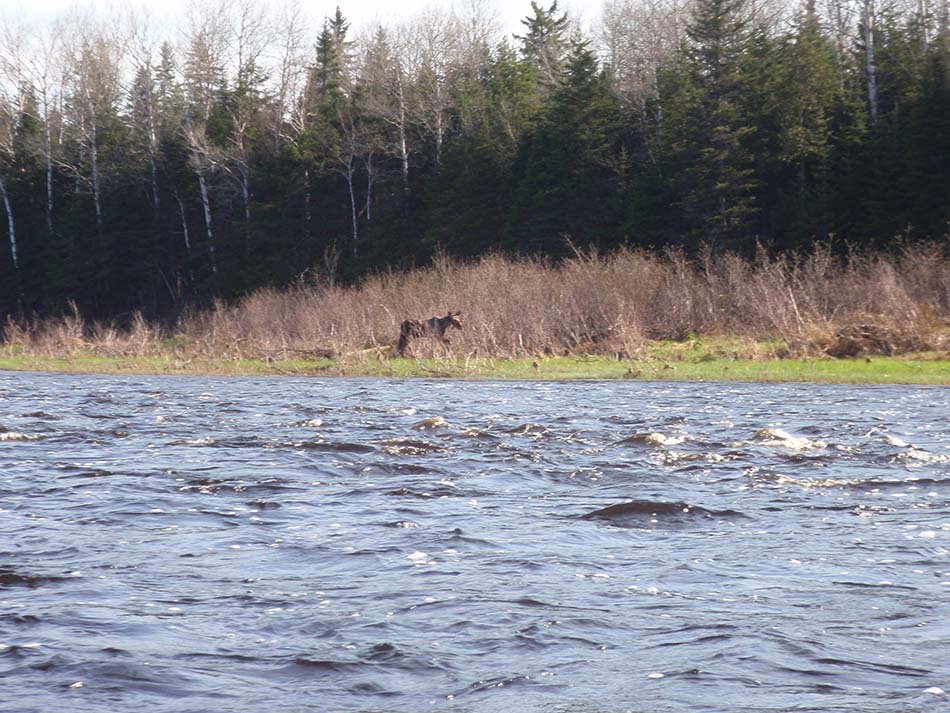
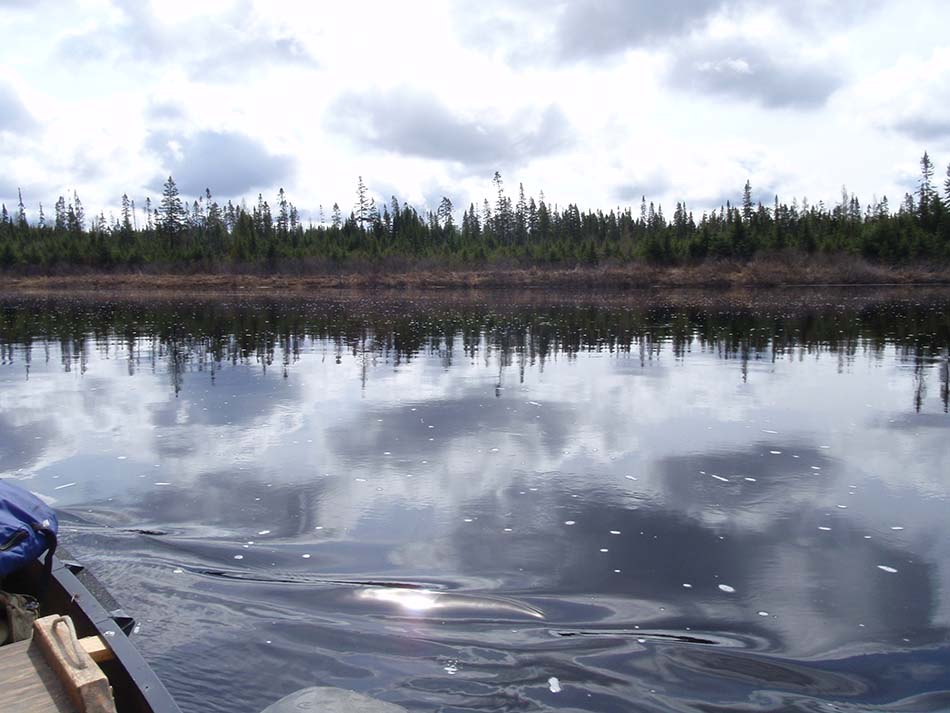
The St. John River begins as a humble northern Maine stream, flowing out of 5th St. John Pond and into Baker Lake and the Baker Branch of the St. John. Upon descending downstream, the river gains speed and begins to become wider with each passing mile, before the main branch is reached. Paddling along the small and lively stream that is the Baker Branch, paddlers will feel as if the adventure is truly beginning as they pass through alternating stretches of flatwater marshes, excellent for spotting numerous wildlife such as moose and duck, and light and lively whitewater suitable for beginners. On these upper stretches of the St. John River, our Registered Maine Guides will work with your group closely to provide expert instruction and pointers to improve everyone’s paddling skills, and the occasional trout fishing lesson, if desired.
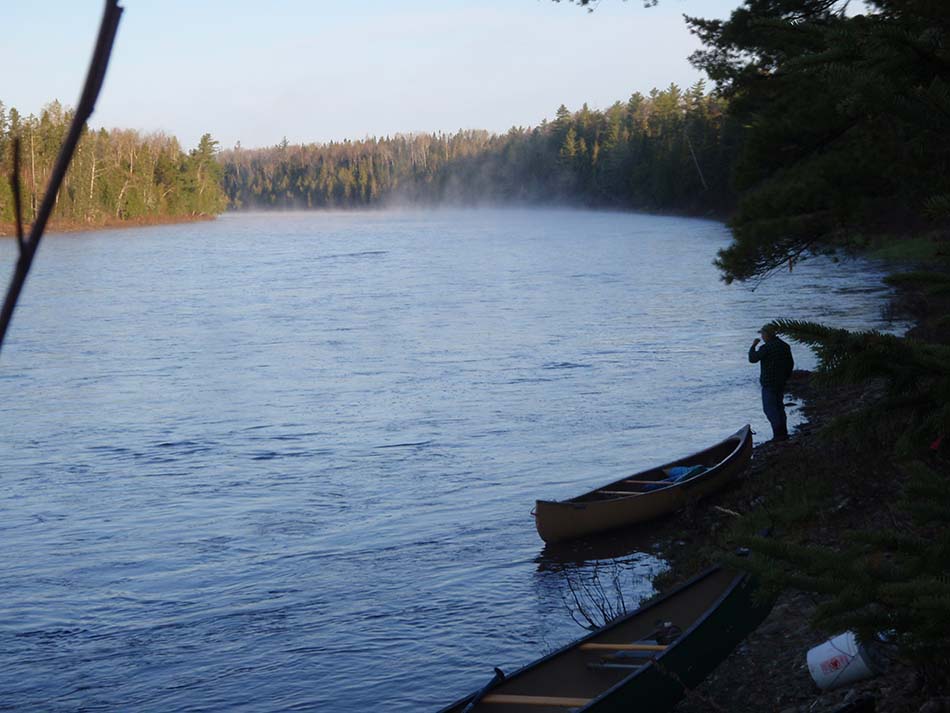
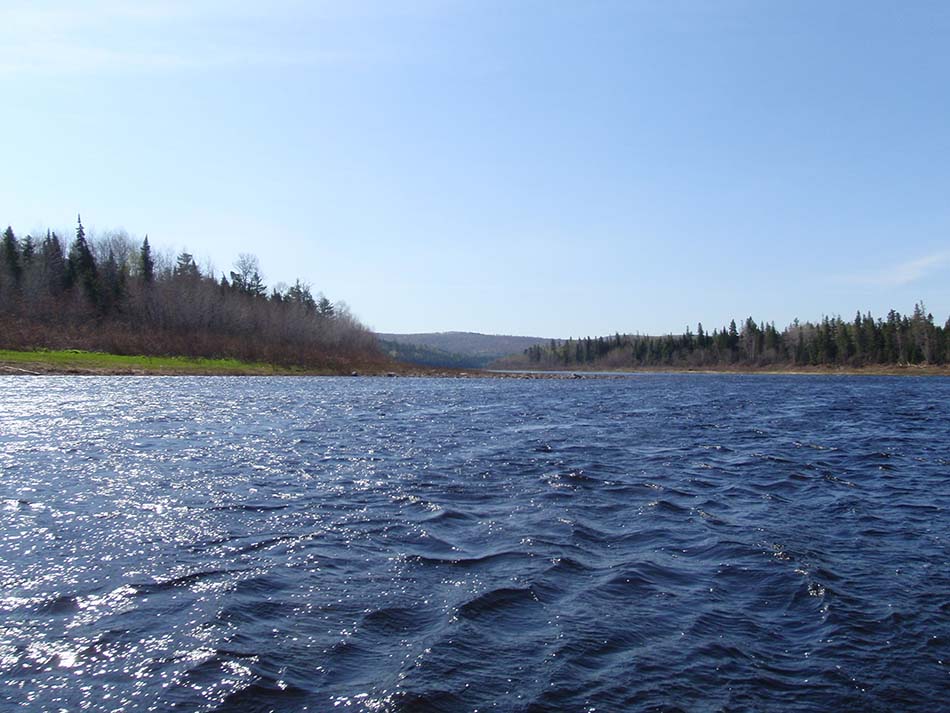
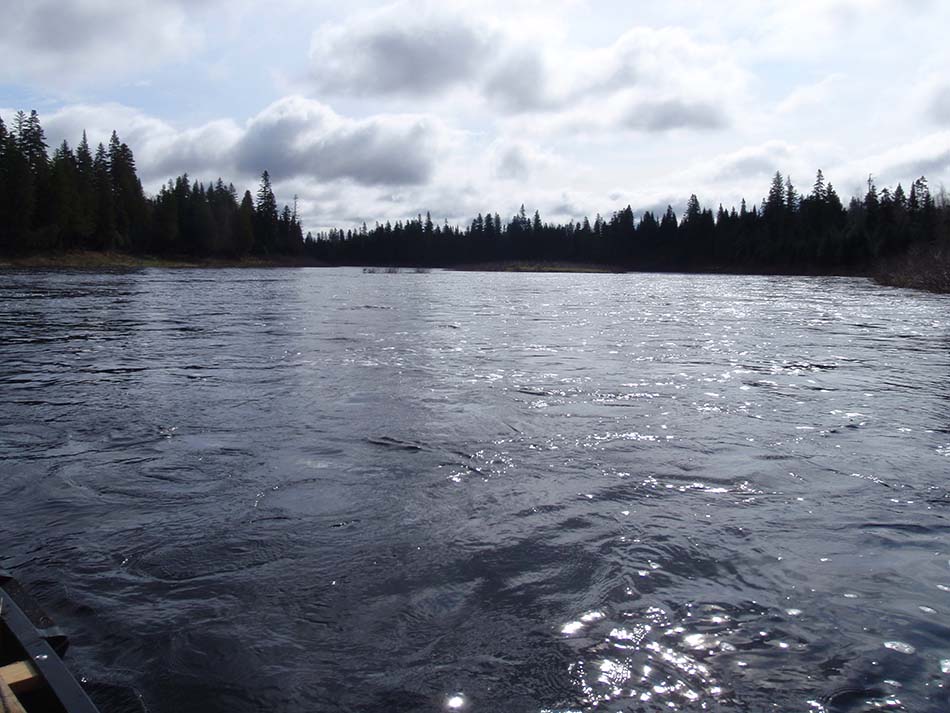
Upon gaining the main branch of the St. John River, the increasing width of the river is extremely noticeable as the trip descends downstream. With each passing mile, the river brings paddlers deeper into the heart of a wilderness area that is easily one of the most remote locales in the entire State of Maine. The boreal forest that the St. John River canoe trip runs through is pristine and boasts untouched acres upon acres of predominantly spruce and fir forests. Renowned for its ice floes in the spring, leftover chunks of ice are commonly viewed on the riverbank as paddlers descend downstream and trees are often seen tremendously scarred by the ice. Prime examples of the rivers true force and the rugged conditions that exist in the North Maine Woods during its the harsh winter.
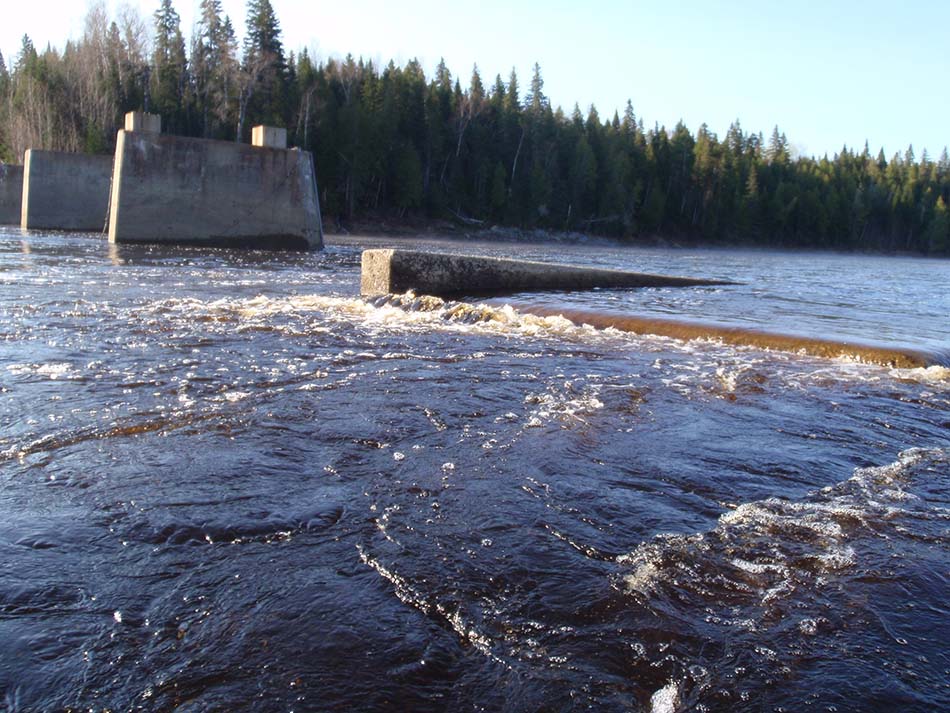
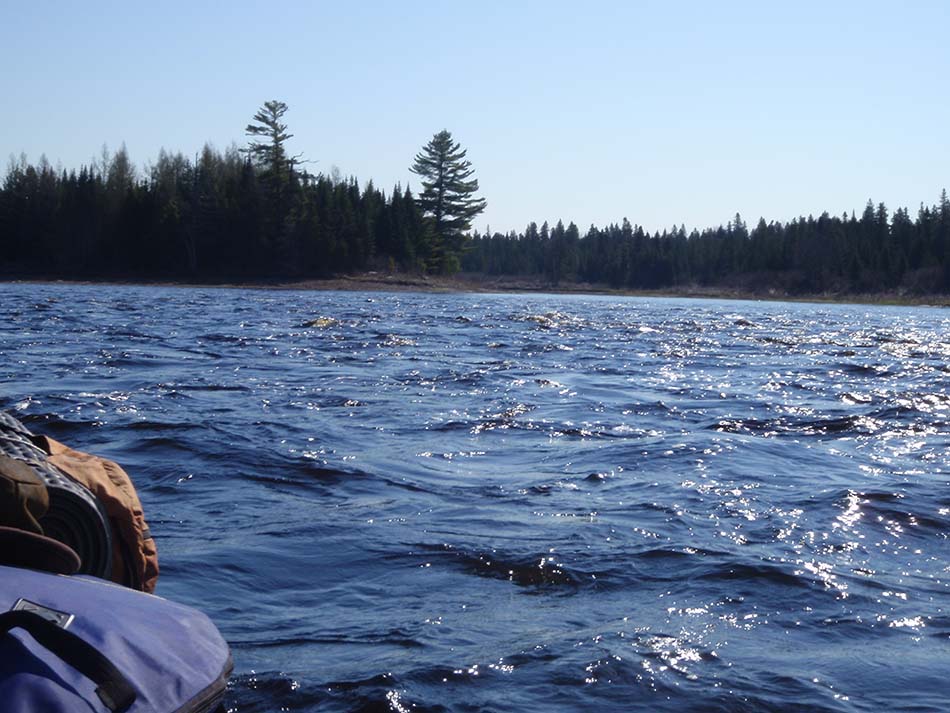
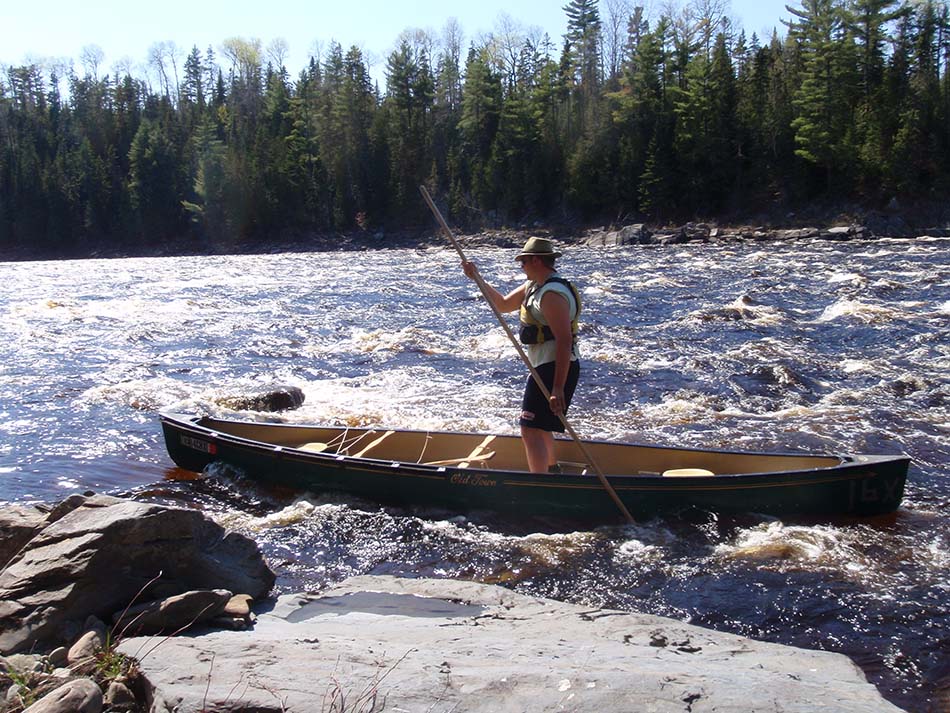
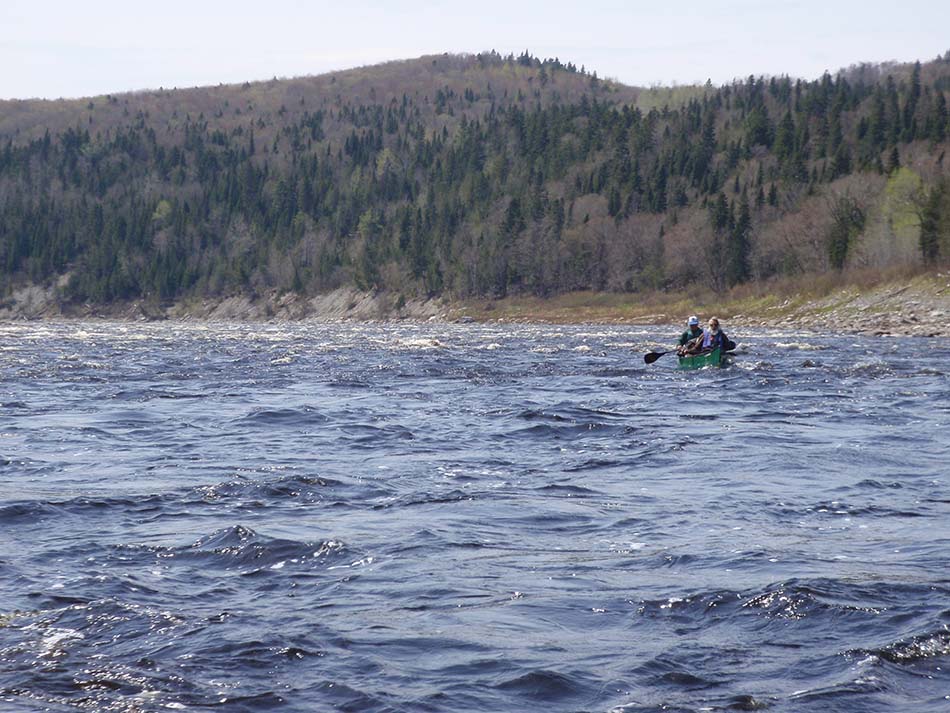
Larger rapids are quickly encountered once the main branch of the St. John River is reached. These rapids, such as Ledge Rapid are excellent opportunities to practice paddling and poling skill and are excellent warm-ups for the two major rapids to be encountered towards the end of the trip. One of the beauties of the St. John River is the fact that its degree of whitewater increases as the trip goes on; starting with small rips (Class I) and then followed by sections of Class II whitewater before culminating with two larger rapids, Class II-III. This nicely arranged rapid layout makes the river suitable for paddlers of most ability levels.
The St. John River canoe trip culminates, on the final two days of the trip, with two large sections of whitewater that demand respect and skill. Big Black Rapid, at the confluence of the Big Black River with the St. John River, is over a mile in length and features large waves, holes, and rushing whitewater. Following Big Black Rapid, the final rapid of the trip, directly above the take-out in Dickey, Maine, is perhaps the most challenging; Big Rapids, over 2-miles in total length features continuous Class II-III whitewater. Looking downstream from the top of the rapid, paddlers can quite literally see the elevation drop of the river in this grand finally section and focus is required to successfully navigate the whitewater successfully. However, as with all rapids, Smoking Rivers and our Registered Maine Guides will lead your group with their expertise through these whitewater sections and answer any questions that you may have before the start of these major sections of whitewater.
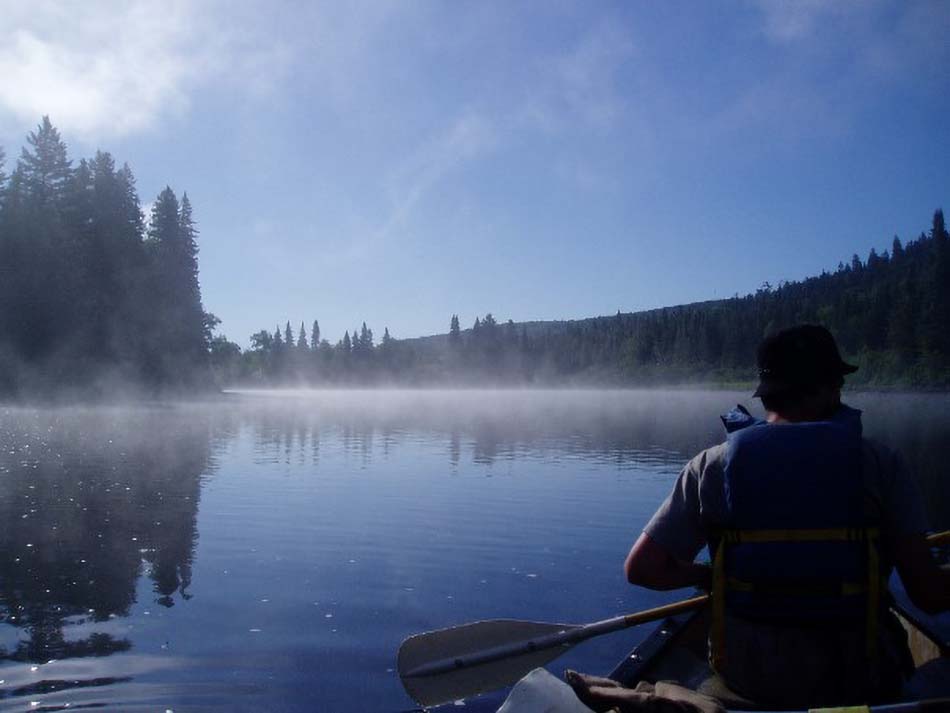
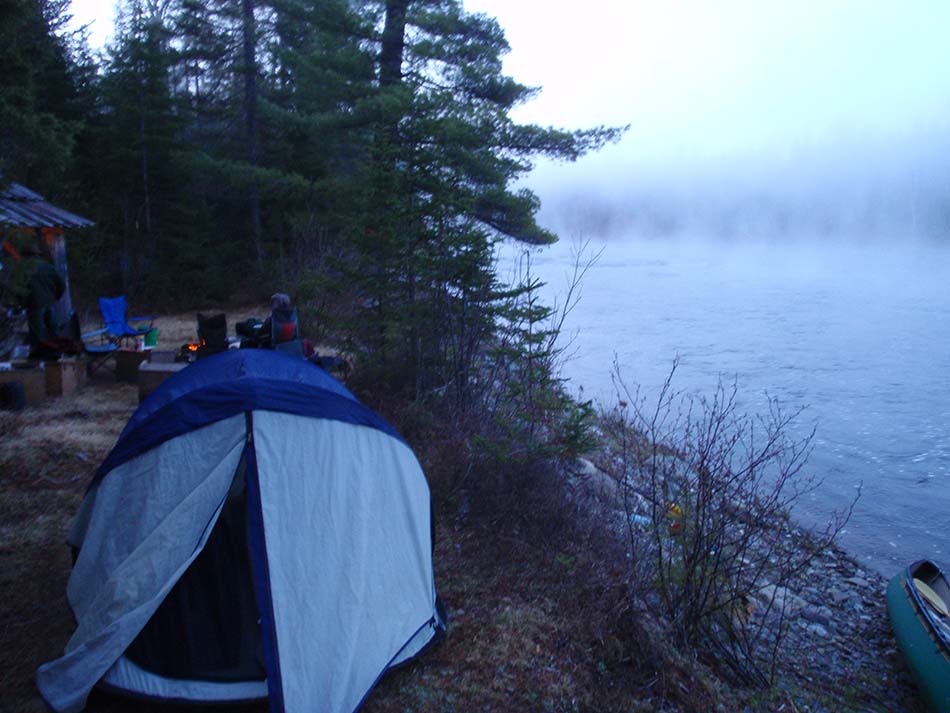
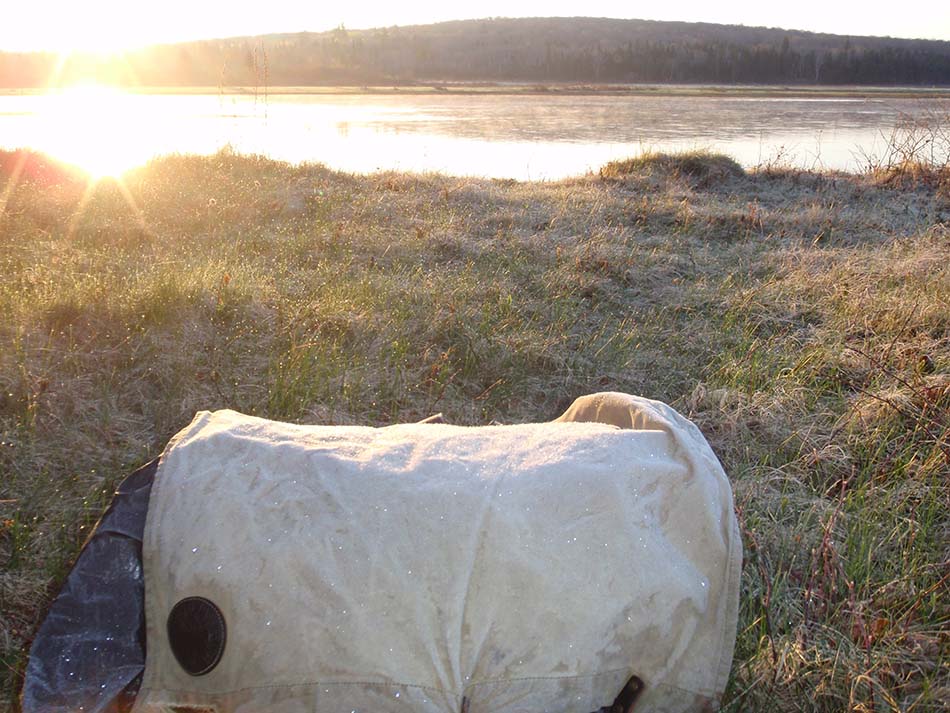
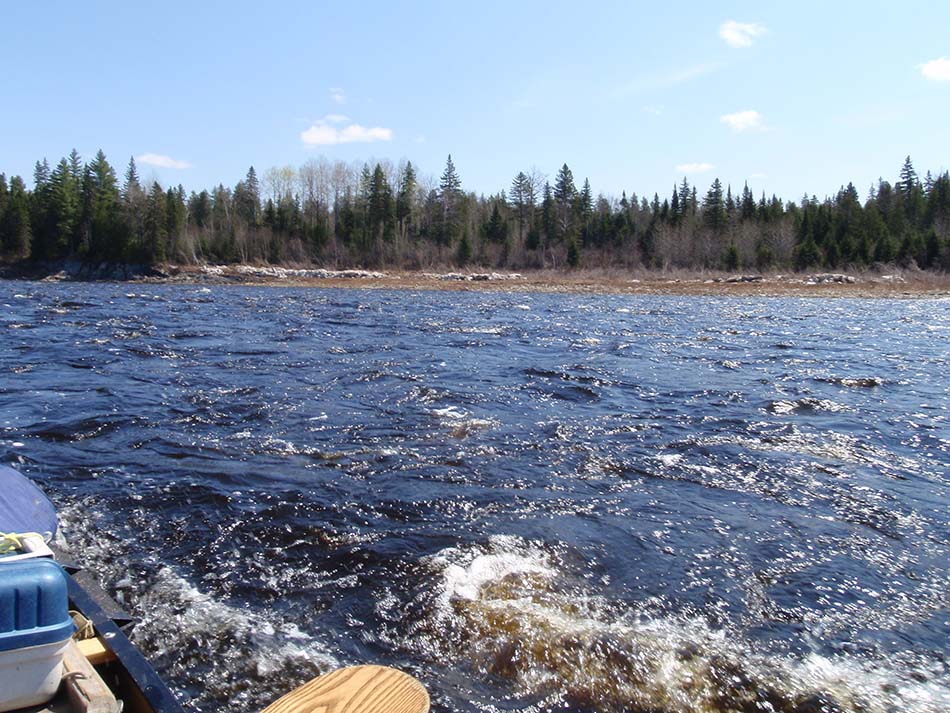
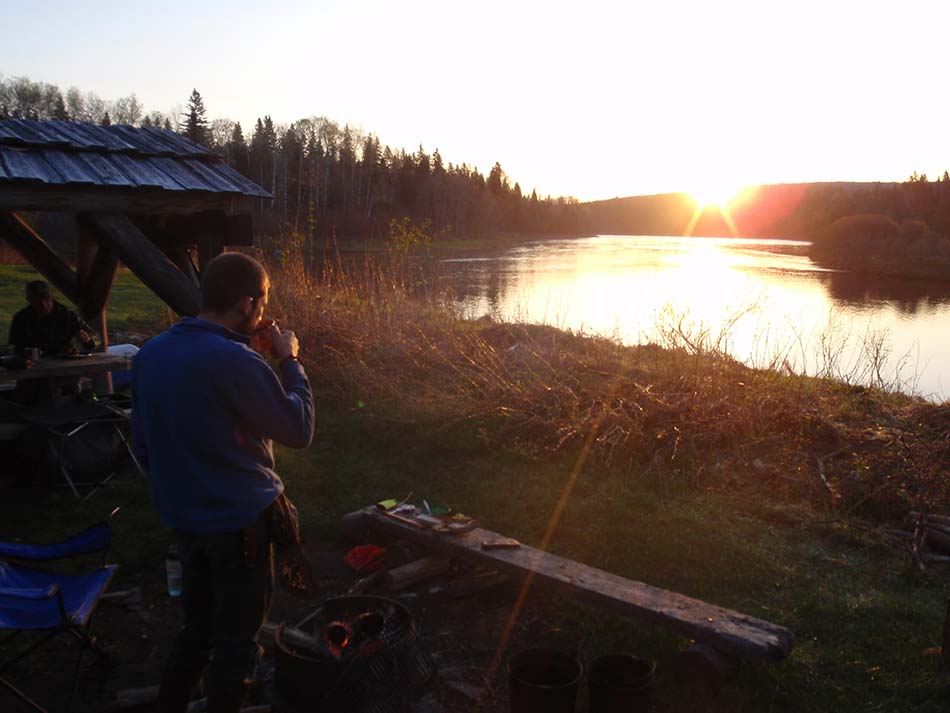
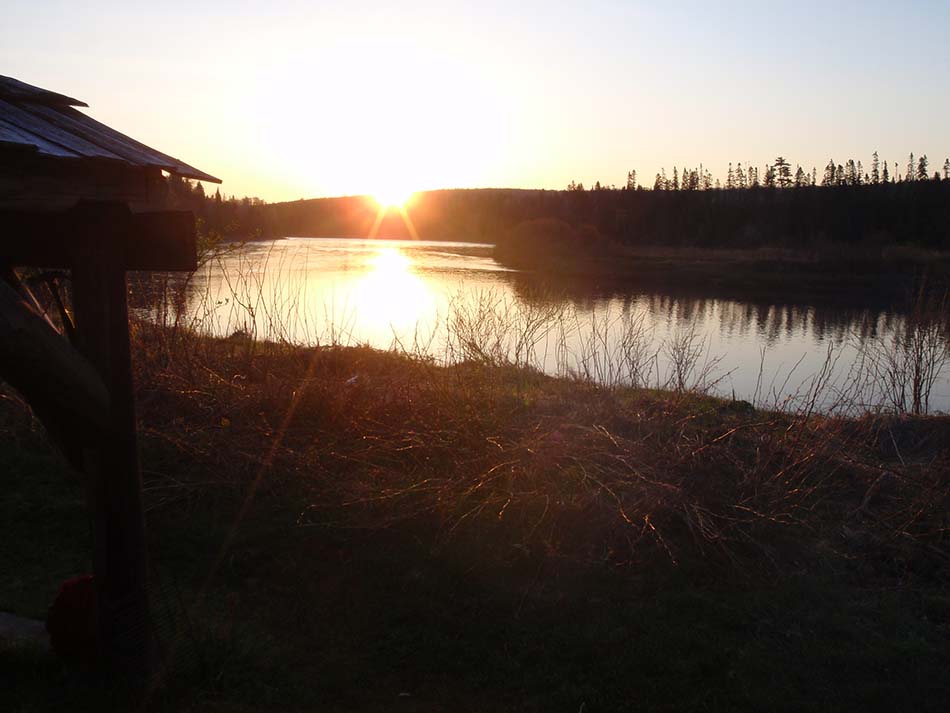
While whitewater is a major aspect of Smoking Rivers’ St. John River canoe trip, it is not the only attractive part of the expedition. Whitewater alternates with areas of quickly flowing but mellow river; in fact, most days on the trip are relaxed and allow for ample time for floating in the canoes, fishing, and visiting some of the numerous historical locations on the river. The campsites that we select for each night on the trip are excellent and beautiful vistas of the remote riverbank lend itself to great chances to view moose, deer, and other mammals at dusk and dawn.
Fishing on the St. John River
Fishing on the St. John River canoe trip is unique in that the main quarry is mostly for Muskie. While the upper stretch of the river, including Baker Lake and the Baker Branch house ample populations of trout that used to dominate the entire river, the majority of the St. John River today is best known for its northern Muskie. One of the only waterways in Maine that supports this large and fearsome gamefish, special tackle and line is required to fish for this trophy species. While fishing for Muskie on the St. John River requires a bit of advanced planning, in general, success rates are quite high for those dedicated to angling and landing a trophy Muskie can be a thrill of a lifetime. If fishing on the St. John River is an interest of you and your group, Smoking Rivers and our Registered Maine Guides will provide advice in advance of the trip to help ensure success and help with recommendations on tackle and gear.
Historical Sites
Historical highlights on the St. John River canoe trip include attractions such as Nine-Mile Bridge with its abandoned and forgotten steam shovel to the beautiful Seven Islands region of the river which housed a history long forgotten of a remote lumbering outpost that, at its peak, housed hundreds of settlers. Remnants of this historical era are still stumbled upon by passing canoeists every year and include cellar holes, farming equipment, and even the body of an abandoned airplane. Ample time is built into the schedule of our trip to allow plenty of opportunities to learn about the history of the important and ever-changing St. John River corridor.